
- Excellent Customer Service
- Established & Accredited
- Fully Insured & Public Liability
- Highly Rated - 5 Star Reviews
- 24/7 Emergency Call Out
What Are the First Signs of Rising Damp?
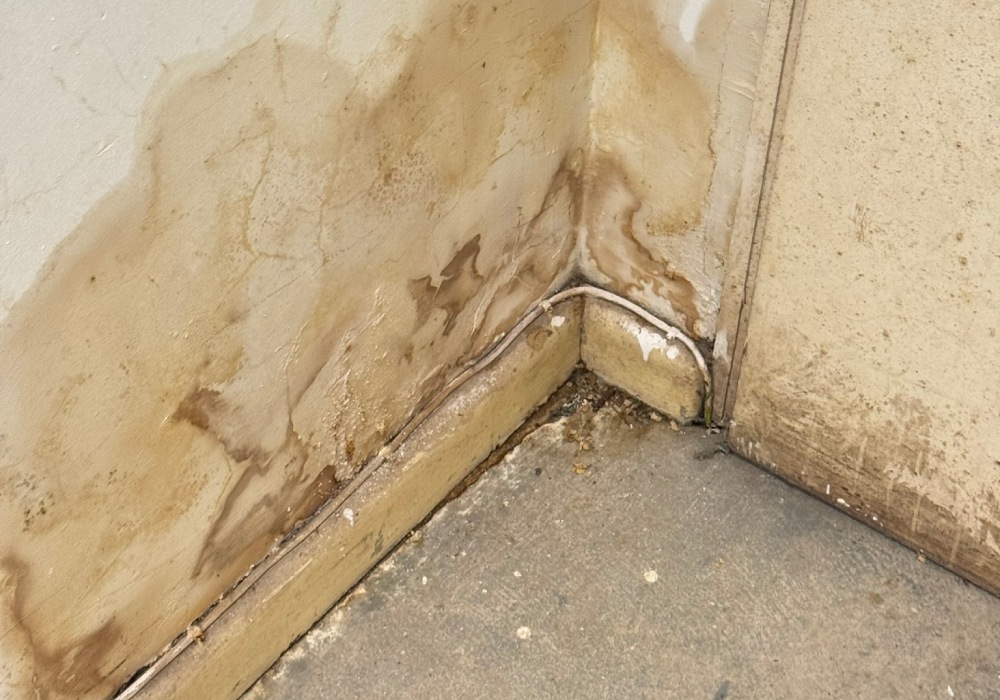
Noticed peeling paint near your skirting boards? A musty smell that lingers no matter how often you clean? Or those odd tide marks creeping up the wall? These could be the first signs of rising damp—a hidden issue that slowly moves upward from the ground, bringing moisture into your walls and silently causing structural damage.
Rising damp isn’t just an eyesore. Left untreated, it can weaken timber, ruin plaster, promote mould, and even reduce your property’s value. The good news? Catching it early can save you time, money, and future headaches.
This page will help you recognise the early symptoms, understand why rising damp happens and where it appears, tell it apart from other damp problems, and know exactly what steps to take to fix it and keep it from coming back.
Let’s start at the source. 🕵️♂️
What Is Rising Damp and Why It Happens
Picture water rising through a sugar cube—slow, steady, unstoppable. That’s rising damp.
It occurs when moisture from the ground is drawn upward through bricks, mortar, or stone via capillary action, gradually soaking the lower portions of your walls. It often goes unnoticed until the damage becomes visible.
What Causes It?
Most homes have a damp-proof course (DPC)—a barrier built into the walls to stop moisture from rising. But over time, this protection can fail. Common causes include:
A cracked or deteriorated DPC—typical in older properties
No DPC at all, especially in homes built before the 1920s
Modern renovations that bridge or bypass the original DPC, allowing water to creep in unnoticed
Pro Tip: Renovating your floors or walls? Always ask your contractor if the original DPC will be bridged or compromised. It’s one of the most common (and avoidable) causes of rising damp in modern upgrades.
Where It Shows Up
Rising damp usually targets ground-floor walls, basements, and any areas in contact with soil. Outside, you might see damage along the base of exterior walls, especially where ground levels are high or gutters are leaking.
First Signs of Rising Damp
Your walls may be telling you something. The key is knowing how to interpret the signs before they escalate.
Visible Clues
Keep an eye out for:
Tide marks or discoloured stains running horizontally along interior walls
Persistent damp patches low on the wall, even in dry weather
Peeling paint, bubbling wallpaper, or crumbling plaster near skirting boards
White, chalky deposits (efflorescence) from salts rising with moisture
Black mould at the base of walls (though this can also indicate condensation)
Deteriorating external brickwork or mortar, often hidden by soil or plants
These aren’t just surface issues—they point to trapped moisture coming from below.
Physical and Sensory Signs
Sometimes, your senses pick it up first:
A musty, damp smell, especially after rainfall
Rotting or soft timber, including skirting boards and flooring
A cold, clammy feel when touching the lower part of the wall
The earlier you act, the easier and less expensive it is to stop rising damp in its tracks.
Is It Really Rising Damp?
Here’s a twist: not all damp is rising damp, and misdiagnosis is more common than you’d think.
Many homeowners jump to conclusions when they see a damp patch. But to treat the problem correctly (and avoid wasting money), you need to know exactly what kind of damp you’re dealing with.
The Usual Suspects: Types of Damp Compared
Type of Damp | Common Location | Key Clues | Cause |
|---|---|---|---|
Rising Damp | Bottom of ground-floor walls | Tide marks, crumbling plaster, salt deposits | Moisture from ground, via capillary action |
Penetrating Damp | Anywhere on a wall (esp. high) | Localised patches, worsens with rain, moss on walls | Leaks, broken gutters, cracks in brickwork |
Condensation | Corners, ceilings, windows | Water droplets, black mould, glass fogging | Poor ventilation, excess indoor humidity |
Why It’s Easy to Get It Wrong
Because damp symptoms overlap. For example:
Black mould on lower walls? It could be condensation trapped by furniture, not rising damp
Damp in one corner? Might be penetrating damp from a leaking pipe
White salt deposits? Could also appear where water enters from the outside
When to Get a Professional Diagnosis
If you’re unsure, a damp surveyor can confirm the root cause using tools like:
Moisture meters
Thermal imaging
Salt analysis
💡 Tip: Rising damp leaves a consistent pattern starting from the ground up, while other forms are usually more erratic.
What Happens If You Ignore It?
You might think, “It’s just a bit of damp—how bad could it be?” But rising damp doesn’t fix itself. Left alone, it quietly eats away at your home’s structure, value, and even your health, turning a minor issue into a major, costly repair.
Structural Damage
Moisture weakens the very materials your home depends on. Over time, you’ll see:
Crumbling plaster and bubbling finishes
Rotting timber in skirting boards, floor joists, and structural beams
Decaying mortar, which can destabilize brickwork
Property Value Drops
Buyers and surveyors spot damp fast. Ignoring it can:
Trigger low offers or lost sales
Lead to delays during surveys or mortgage approvals
Force you to cover repairs before you can sell
Health and Air Quality Risks
Persistent moisture creates the perfect storm for mould, allergens, and stale air. You may not see it, but you’ll feel it—especially if you or your family have asthma, allergies, or respiratory conditions.
How to Treat Rising Damp
You’ve confirmed it’s rising damp—now it’s time to act. The fix isn’t cosmetic; it’s structural. With the right method and expertise, rising damp can be resolved for good.
Reinstall or Repair the Damp-Proof Course (DPC)
Most rising damp issues trace back to a failed or missing DPC. Restoring this moisture barrier is essential to stop damp at its source.
Common solutions include:
Chemical injection: A water-repellent cream is injected into drilled holes along the wall
Damp-proof rods: Solid rods inserted into masonry to block moisture movement
Physical DPC replacement: Used in severe or older cases, though more invasive
Strip and Replaster Affected Areas
Even after damp is stopped, salts left behind can keep drawing in moisture. Simply drying out the wall won’t be enough.
What’s needed:
Remove contaminated plaster up to 1.2–1.5 metres
Apply salt-resistant or waterproof render
Finish with breathable paint to allow trapped moisture to evaporate safely
Fix External Contributing Factors
External moisture sources can undermine any internal fix. To ensure lasting results:
Clear gutters and downpipes regularly
Improve drainage to avoid pooling around the foundation
Regrade any sloped ground directing water toward your home
🧰 Stopping rising damp means tackling both the internal symptoms and the external causes.
How to Prevent It from Coming Back
Fixing rising damp is a big win, but the real victory is making sure it never returns. Prevention isn’t just about barriers and bricks; it’s about maintaining your home like a living system. Small habits and regular checks can save you from facing the same problem twice.
Your Damp-Proofing Checklist
After treatment, your home is in a better position—but only if the conditions around it stay in your favour. Rising damp often returns not because the repair failed, but because the environment around your home keeps feeding moisture back into the walls.
To keep things in check:
✅ Make sure soil, flowerbeds, or paving sit at least 150mm below the damp-proof course
✅ Clean and inspect gutters, downpipes, and drains regularly—clogged or broken systems can flood your wall base
✅ Paths and patios should slope away from your walls, not channel water toward them
✅ Seal cracks in render, brickwork, or mortar to prevent water sneaking into vulnerable spots
Improve Internal Conditions
Your indoor environment plays a subtle but important role in damp control. Even with a fully functional DPC, high humidity and poor airflow can allow minor condensation to mimic or worsen damp symptoms over time.
Simple changes make a difference:
Open windows when weather allows, especially after showers or cooking
Use extractor fans in bathrooms and kitchens, or consider trickle vents if windows are often closed
Leave space between furniture and external walls so air can circulate freely, reducing trapped moisture
When to Recheck Older DPCs
Older properties—especially those built before the 1950s—deserve extra attention. Their original DPCs may have deteriorated, or changes over time may have compromised their effectiveness without anyone noticing.
If your home falls into this category:
Schedule a professional inspection every 5–10 years, especially after any major renovations
Check that landscaping or interior changes haven’t “bridged” the DPC, like raised soil levels or new plaster that traps moisture paths
Protecting your home from rising damp isn’t a one-time job—it’s a mindful, ongoing process. But the good news? A little diligence goes a long way. And Ex10 is always here if you need advice or a check-up.
🛠️ Pro Tip: Use a simple ruler to measure the gap between ground level and your external DPC line. If it’s less than 150mm (about 6 inches), you may need to lower the soil or paving to prevent moisture bridging.
What to Do Next
You’ve identified the signs and ruled out other damp types—now it’s time to take action. Here’s how to move forward with confidence.
Step 1: Book a Professional Damp Survey
To treat rising damp effectively, you need a clear diagnosis. A qualified surveyor will confirm whether it’s rising damp and assess how far it’s spread.
A proper survey should include:
Moisture meter readings
Salt testing to detect ground salts
Visual and structural checks inside and out
Step 2: Choose the Right Specialist
Hiring the right contractor is crucial. Look for qualifications, clarity, and guarantees.
Your specialist should offer:
PCA or CSRT accreditation
Detailed written reports, not just verbal advice
Clear timelines and warranties on all work
Step 3: Get Multiple Quotes
Don’t go with the first quote. Comparing options ensures you get fair pricing and the right solution.
Criteria | What to Look For |
|---|---|
Experience | Reviews, portfolio, accreditations |
Scope of work | Clear list of stages, prep, and materials |
Guarantees | At least 10–20 years on DPC installation |
Frequently Asked Questions
Can rising damp be misdiagnosed?
Yes—very often. Rising damp shares symptoms with condensation and penetrating damp, which can lead to the wrong treatment and wasted money. A qualified damp surveyor can accurately diagnose the cause using tools like moisture meters, salt analysis, and thermal imaging. Getting it right the first time means faster, more effective repairs.
Is it covered by insurance?
Typically, no. Rising damp is classed as a maintenance issue, which most standard home insurance policies exclude. However, if the damp is linked to a specific, insured event—like a burst pipe or storm damage—some related repairs might be covered. It’s always worth checking with your provider to be sure.
Can I still sell my house with it?
Yes, but you’ll need to be upfront. Legally, you must disclose known damp issues when selling. A visible damp problem could lead to lower offers or buyers requesting remedial work before completion. Taking action early—either treating the issue or getting a professional assessment—can help protect your asking price and avoid delays.
Is rising damp dangerous to my health?
It can be. While the moisture itself isn’t toxic, it creates ideal conditions for mould growth and dust mites, both of which can trigger allergies, asthma, and respiratory problems. Prolonged exposure to poor indoor air quality caused by damp can particularly affect children, the elderly, or anyone with pre-existing health conditions.
Ready to Take Action?
If you’ve spotted signs of rising damp—tide marks, peeling paint, musty smells—it’s time to act. Left unchecked, damp can quietly damage your home’s structure, lower its value, and affect your family’s health.
That’s where Ex10 comes in. We carry out expert damp surveys using advanced tools to determine whether it’s rising damp or another issue. You’ll get clear, honest reporting and tailored treatment plans designed to fix the problem properly—no pressure, no jargon.
📞 Call us: 01202 618382
📅 Book your survey online
Let’s protect your home—starting today.