
- Excellent Customer Service
- Established & Accredited
- Fully Insured & Public Liability
- Highly Rated - 5 Star Reviews
- 24/7 Emergency Call Out
Can Mould Grow Under Carpet? Causes, Signs & Fixes
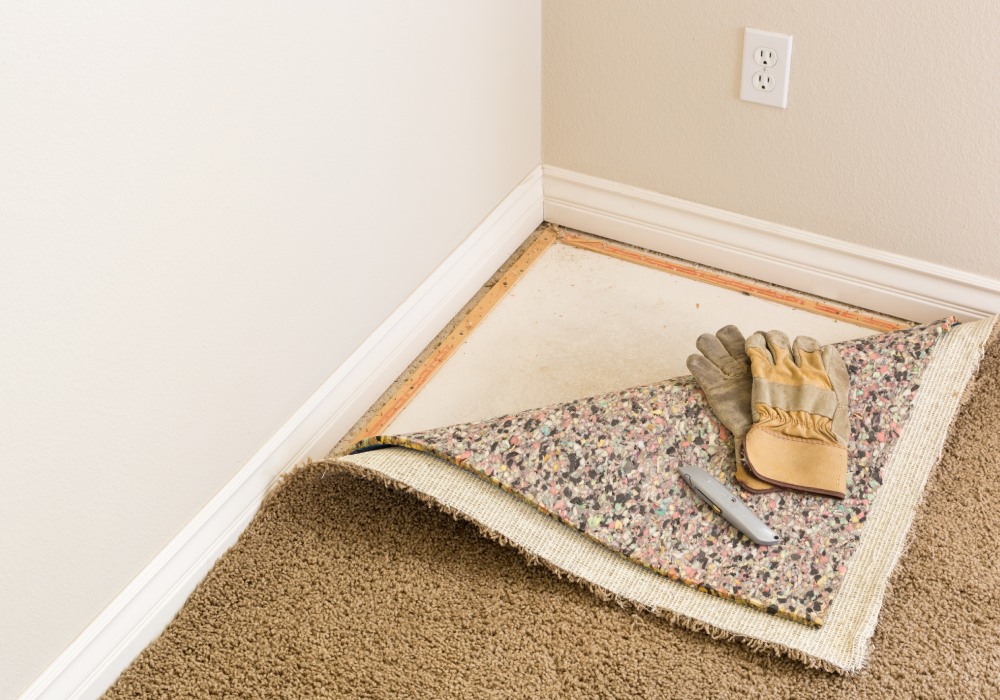
Imagine stepping onto your living room carpet barefoot and instead of soft warmth, you feel a slightly damp, suspiciously squishy patch. You sniff the air. Is that mustiness?
Yes, mould can absolutely grow under carpet, and it often does so quietly, long before you see any fuzzy patches or green-black stains. The fibres soak up moisture, while the underlay and subfloor create a dark, warm, poorly ventilated haven for mould spores.
The good news? Knowing why it happens, the early warning signs, and how to tackle it can save your flooring, your budget, and even your health. Let’s break it down.
How Mould Forms Beneath Carpets
Mould behaves much like an unwelcome intruder, appearing quickly when environmental conditions align:
Moisture – From spills, plumbing leaks, flooding, or persistent high humidity.
Darkness – Under a carpet, away from natural light.
Warmth – Typical indoor temperatures provide the perfect climate.
Poor airflow – Trapped dampness with no chance to evaporate.
Once microscopic mould spores settle in this environment, they can begin colonising the carpet backing and padding within 24 to 48 hours. The fibres absorb and hold moisture, the underlay traps it, and the subfloor becomes the foundation for a growing mould colony.
Pro tip: Mould under the carpet often remains invisible at the surface. It can hide deep within the padding, meaning by the time you notice, the growth may already be well established.
Warning Signs of Hidden Mould
The tricky part about mould under carpet? It rarely announces itself with flashing lights or big mushroom caps. You’ll need to rely on your senses (and a little detective work) to spot it early.
Musty odours and damp spots
If your room smells like an old basement or a forgotten towel, that’s a red flag. A persistent musty smell usually means mould or mildew is present. Even if the carpet surface feels dry, check for dampness in the underlay; it can retain water long after a spill has “disappeared” from view.
Allergy flare-ups
Unexplained sneezing? Itchy eyes? A cough that won’t quit? Mould spores and mycotoxins can trigger allergy symptoms, especially in sensitive individuals. If symptoms worsen when you’re in a particular room, that’s your cue to investigate.
Simple inspection methods
You don’t have to rip up the whole carpet right away. Try:
Press test – Push down firmly on the carpet; if moisture seeps up, there’s a problem.
Lift a corner – Gently peel back an inconspicuous section to check the underlay and subfloor for dark spots, discolouration, or fuzz.
Moisture meter – A cheap tool that can detect hidden dampness without pulling everything up.
Main Causes
Mould under carpet doesn’t happen by magic; it’s almost always the result of moisture that wasn’t dealt with quickly or thoroughly enough. Below are the most common culprits.
Leaks, flooding, or spills
Plumbing leaks, burst pipes, or even an open window during a heavy storm can let water seep deep into carpet layers. The problem? Water rarely stays put — it wicks through fibres and padding, spreading across a much larger area than you might expect. Even a cup of coffee knocked over can create a breeding ground if it soaks into the underlay and isn’t dried fast.
Poor ventilation and high humidity
Some rooms are mould’s dream resorts. Basements, closed-off guest rooms, or spaces without cross-breeze can trap humid air, especially in summer. Without enough airflow, that moisture just hangs around, creating a slow, silent build-up that encourages mould colonies to take root.
Incomplete drying after cleaning
Ever had your carpet “professionally cleaned” and noticed it took days to dry? That extended dampness is an open invitation to mould spores already in the environment. If the subfloor never gets a chance to fully dry, the issue can escalate in less than a week.
Pro tip: Always ensure powerful fans and dehumidifiers are used after deep cleaning — speed is everything.
Prevention Tips
Preventing mould is always easier and far less costly than removing it after it’s taken hold. The key is creating an environment where mould spores can’t thrive. Here’s what works:
Control indoor humidity – Keep levels between 30–50% using a dehumidifier, particularly during humid seasons or in naturally damp spaces like basements.
Improve airflow – Use fans, open windows, or install vents in enclosed rooms to prevent stale, moisture-heavy air from lingering.
Address spills immediately – Blot rather than rub to avoid pushing liquid deeper into the fibres. Follow with a wet/dry vacuum and targeted airflow to dry the area quickly.
Choose mould-resistant padding – Ideal for moisture-prone areas; these materials help block spores from reaching the underlay or subfloor.
Schedule regular inspections – Once or twice a year, especially after wet weather, lift carpet corners in high-risk zones to check for dampness, discolouration, or musty odours.
By maintaining these habits, you’re not only protecting your carpet but also preserving your home’s indoor air quality and structural integrity.
Detecting Mould Without Full Removal
You don’t always have to tear up your whole carpet to know if mould is hiding underneath. A strategic approach can save time and hassle:
Spot-check high-risk areas – Near windows, under furniture, or anywhere there’s been a leak.
Use a moisture meter – It can pinpoint damp pockets invisible to the eye.
Check the padding edge – Pull up a small section and inspect the backing and subfloor for black, green, or white growth.
Listen to your nose – Persistent earthy or musty odours are a reliable indicator, even without visible mould.
Quick tip: If you find any suspicious patches smaller than your hand, act fast; small mould colonies are far easier to treat than ones that have spread across the room.
Removal Steps
If you’ve confirmed mould under your carpet, act quickly. The longer it sits, the deeper it roots into fibres and subflooring. How you tackle it depends on the size and severity of the problem.
Immediate moisture control
First, stop the source. Fix leaks, shut off water, or seal the area from further spills. Then:
Extract water fast using a wet/dry vac.
Ventilate by opening windows and running fans in multiple directions.
Deploy a dehumidifier to pull excess moisture from the air and materials.
Cleaning small areas safely
For patches smaller than about one square metre:
Put on gloves, goggles, and an N95 mask; you don’t want to inhale spores.
Lift the carpet edge and remove affected padding (padding is cheap to replace, mould loves it).
Scrub the underside of the carpet and the subfloor with a mixture of warm water and mild detergent, then rinse lightly.
Disinfect using a mould-specific cleaner or diluted white vinegar.
Dry thoroughly before replacing the padding and relaying the carpet.
Replacing carpet and treating the subfloor if needed
If more than a small area is affected or the mould has penetrated the subfloor:
Remove the entire carpet and padding.
Sand or seal the subfloor after cleaning to prevent re-growth.
Install new underlay and carpet only once the area is completely dry and tested for moisture.
When to Call a Pro
Some mould situations are best left to trained remediation specialists — especially when the health risks or structural impact outweigh the DIY savings.
Large infestations
If mould covers more than a few square metres, it’s often embedded deep enough that only industrial-grade equipment can remove it safely.
Recurring mould problems
If mould keeps returning despite thorough cleaning, it’s a sign of an unresolved moisture source — or hidden contamination in the subfloor and walls.
Suspected toxic mould
Stachybotrys chartarum (aka “black mould”) and other toxic varieties release mycotoxins that can cause serious respiratory issues. If you see thick black patches or experience severe symptoms, don’t take chances — bring in a certified mould remediation team.
The Bottom Line: Act Before Carpet Mould Spreads
Mould under carpet is sneaky, but not unbeatable. Catch it early, control moisture, and act fast to protect your floors and your health. Speed and thoroughness are key; mould won’t wait.
Not sure where to start? Ex10 can handle it. We remove hidden mould, treat the underlay and subfloor, and put measures in place to stop it coming back, so you can breathe easier, sooner.
Call us on: 01202 616382
Contact Us