
- Excellent Customer Service
- Established & Accredited
- Fully Insured & Public Liability
- Highly Rated - 5 Star Reviews
- 24/7 Emergency Call Out
What Is Often Mistaken for Black Mould?
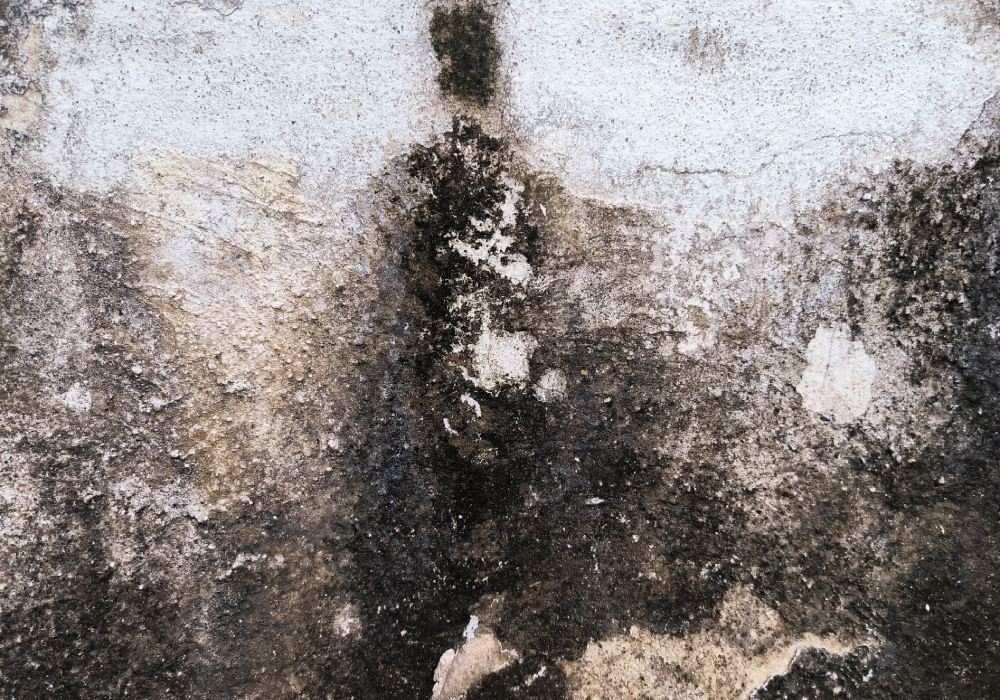
You spot dark, shadowy patches creeping across your wall, and your stomach sinks. Is that black mould? It’s an unsettling moment; your first instinct might be to imagine the worst.
Here’s the truth: many things can look like black mould but aren’t. From harmless mineral deposits and stubborn soot to entirely different mould species, not every black mark in your home spells toxic danger. In fact, colour alone tells you very little about what’s really growing (or not growing) there.
In this article, you’ll discover exactly what tends to be mistaken for black mould, how to tell the difference, and when to take action. By the end, you’ll know which signs require urgent attention—and which are simply impostors in disguise.
Black Mould’s Reputation and Common Misconceptions
Black mould’s notoriety largely stems from its association with mycotoxins, potential respiratory issues, and dramatic media headlines. However, there are a few important clarifications:
Not all black mould is Stachybotrys chartarum. Other dark-coloured moulds exist and don’t produce the same toxins.
Not all Stachybotrys colonies look the same. Depending on lighting, moisture, and surface, they may appear greenish-black, sooty, or even slimy.
Colour is not a diagnostic tool. Laboratory analysis, not eyeballing, determines mould type.
Homeowners often hear the term toxic black mould and assume any black patch spells danger. While erring on the side of caution, remember that different issues—like efflorescence, mildew, or soot stains—can mimic the look without the same risks.
Pro Tip: If you suspect black mould but also see evidence of recent leaks, high humidity, or musty odours, it’s worth having a professional check. These environmental clues are just as important as what you see.
How Black Mould Gets Mistaken for Other Problems
Here’s where the plot thickens. Black mould shares visual and textural similarities with many other indoor problems. The human eye tends to group dark spots, especially when they appear in damp environments. This makes it easy to assume “black equals mould.”
Some of the most common mix-ups happen because of:
Colour similarity – Many organic and inorganic materials develop dark staining over time.
Surface spread – Whether mould spores or soot particles, both can create patchy patterns on drywall, grout, or ceilings.
Environmental overlap – Mould loves dampness. Unfortunately, so do mineral deposits, biofilms, and certain pests.
Imagine finding black specks on your bathroom ceiling. You might think “mould!”—but those could just as easily be soot from a candle, dust clinging to condensation, or another mould species entirely.
Pro Tip: Always look at context. Where did the stain appear? Has there been moisture intrusion? Is there a musty smell? These clues can quickly narrow down the real culprit.
Mould Species Commonly Confused With Black Mould
While Stachybotrys chartarum gets most of the attention (and fear), several other mould species can look deceptively similar. Understanding their preferred habitats, textures, and behaviours can help you avoid false alarms—or spot a real problem sooner.
Cladosporium
This hardy mould thrives in a wide range of temperatures, from chilly basements to sunlit attics. It typically forms dark olive-brown to black spots on wood trim, fabrics, or HVAC vents, especially where condensation or fluctuating humidity exists. While not considered as toxic as Stachybotrys, it can still trigger allergies and asthma.
Aureobasidium
Commonly found around painted surfaces, window frames, and caulking, this mould begins life as pink or cream patches before maturing into dark speckles. Its sticky texture can make it stubborn to clean, and it often appears in bathrooms or near leaky window seals where moisture is trapped.
Ulocladium
A true water-damage specialist, Ulocladium produces sooty black or dark brown colonies, often in irregular blotches. It tends to grow where there has been long-term saturation—behind drywall after a roof leak or on flooring after flooding. Unlike Stachybotrys, it’s more powdery than slimy, which can be a visual clue.
Alternaria
One of the fastest-growing moulds, Alternaria produces a brownish-black, velvety fuzz in shower corners, window sills, and damp storage areas. It’s highly airborne, meaning spores can quickly spread to other rooms if disturbed—making proper handling important even if it’s not “toxic black mould.”
Chaetomium
Easily mistaken for harmless mildew in its early stages, Chaetomium starts off white or grey before darkening with age. It’s a common post-flood intruder, particularly in drywall, wallpaper backing, and carpet underlay. It has a distinctive musty odour, which can be a giveaway.
Aspergillus (dark strains)
Found both indoors and outdoors, dark varieties of Aspergillus appear as tiny black or brown specks scattered across walls, ceilings, and even food. Some strains are relatively benign, while others can cause respiratory irritation—especially in people with weakened immune systems.
Pro Tip: Think of mould species like different models of the same car, similar on the surface, but each with its own “engine” and quirks. Correct identification means you can choose the right tools and strategy for removal.
Non-Mould Materials and Stains That Look Similar
Sometimes the impostor isn’t even biological. In fact, you might be scrubbing at stains, residue, or deposits that no amount of fungicide will remove, because they’re not mould at all.
Dirt or soot – Common near fireplaces, heaters, or candle-heavy rooms; fine particles stick to walls or ceilings and can mimic mould patches.
Water stains – After a leak, minerals in the water can leave brown-black rings or blotches on drywall.
Efflorescence – White, powdery salt deposits from masonry or concrete that appear darker when coated in dust.
Old paint or adhesive residue – Age, humidity, and heat can cause paints or glues to darken and crack, creating a mould-like pattern.
Insect droppings – Certain pests, like cockroaches or flies, leave pepper-like specks that cling to surfaces.
Algae growth – In shaded, humid outdoor areas (e.g., siding, decks), algae can appear nearly black.
Pro Tip: Before panicking, do a light surface test. If it smears easily or feels gritty rather than fuzzy, it’s probably not mould.
Distinguishing True Black Mould from Look-Alikes
Identifying Stachybotrys chartarum with absolute certainty requires lab testing, but there are clues you can observe that may help you make an educated guess before calling in a professional.
Texture
Stachybotrys colonies often have a slimy or wet surface due to the consistently high moisture they require to grow. In contrast, other mould species or non-mould residues like soot are usually powdery or dry to the touch. This difference can help you narrow down possibilities during a visual check.
Odour
Black mould typically produces a strong, musty, earthy smell that’s noticeable even from a distance. If you detect no odour at all, you might be dealing with a stain, mineral deposit, or dust rather than an active mould colony.
Growth Pattern
Unlike stains or dirt, which often follow neat drip lines, smudge patterns, or surface seams, true mould tends to spread in irregular, organic clusters. Stachybotrys patches are often dense and uneven, sometimes with edges that fade into surrounding surfaces.
Location
This mould thrives in chronically wet, cellulose-rich environments. Common hiding spots include behind leaky walls, under carpets after flooding, or within water-damaged drywall. If the surface is dry and non-porous, it’s less likely to host Stachybotrys.
Pro Tip: Shine a flashlight at an angle across the surface—true mould growth casts a subtle, textured shadow, while flat stains reflect light evenly.
The Risks of Getting It Wrong
Misjudging what you see on your walls or ceilings can have real-world consequences—and they’re not always obvious at first.
Unnecessary cleanup costs – Hiring mould remediation for what turns out to be soot or old paint can run into hundreds (or thousands) of wasted dollars.
Missed mould growth – On the flip side, dismissing actual Stachybotrys as “just dirt” means it keeps spreading unchecked behind walls or under floors.
Health implications – Some mould species, even if not “toxic black mould,” can still trigger allergic reactions, asthma, or respiratory discomfort if left to flourish.
Property damage – Long-term moisture and mould can weaken drywall, flooring, and insulation, making repairs more invasive and expensive.
Pro Tip: If you’re unsure, pause before cleaning or painting over it. Covering mould doesn’t solve the root cause and can actually trap moisture in.
Reliable Ways to Confirm What You’re Seeing
There’s only one way to be sure about suspicious dark patches: test, don’t guess. While your eyes and nose can offer hints, true confirmation comes from accurate measurement and professional analysis.
Moisture & Humidity Testing
High moisture readings in walls, ceilings, or flooring suggest mould-friendly conditions, even if visible growth hasn’t appeared yet. Moisture meters and hygrometers can help pinpoint trouble spots before the mould becomes obvious.
DIY Mould Test Kits
Available at most hardware stores, these kits can capture surface or air samples for lab testing. They’re useful for preliminary insight, but without professional interpretation, results can be misleading—especially if other mould species are present.
Professional Inspection & Lab Analysis
Certified mould inspectors bring in specialised tools such as thermal imaging cameras, borescopes, and spore trap samplers to detect hidden growth, identify the species, and assess the spread. Lab analysis ensures you know exactly what you’re dealing with and how urgent the problem is.
Pro Tip: A lab-confirmed mould report doesn’t just guide remediation—it can also strengthen insurance claims and serve as proof for property disclosures during a home sale.
Preventing Black Mould and Its Imitators
Prevention is far cheaper than remediation, and the same steps that stop black mould also stop its look-alikes:
Control indoor humidity – Keep it between 30–50% with dehumidifiers or better ventilation.
Fix leaks fast – Even a small drip under a sink can fuel mould within 24–48 hours.
Improve airflow – Use exhaust fans in bathrooms, kitchens, and laundry rooms to clear out excess moisture.
Regular cleaning – Wipe down window sills, shower corners, and condensation-prone areas before buildup can start.
Outdoor maintenance – Keep gutters clear and ensure landscaping slopes away from the foundation to prevent seepage.
Pro Tip: Think of mould prevention like dental care—small, regular actions save you from big, expensive problems later.
Signs It’s Time to Call a Professional
You’ve cleaned, monitored, and checked humidity, but sometimes the situation is bigger than a DIY fix. Here’s when you should get expert help:
Widespread growth – If the affected area is larger than about 1 square metre (10 square feet), the contamination may be deeper than you can see.
Recurring stains – Dark patches that reappear after cleaning usually mean there’s ongoing moisture intrusion feeding the problem.
Hidden odours – A persistent musty smell, even when no mould is visible, can point to growth inside walls, under flooring, or in HVAC systems.
Unexplained health symptoms – If household members experience worsening allergy, asthma, sinus, or skin irritation, mould exposure could be a factor worth ruling out.
Pro Tip: A professional’s inspection report can do more than diagnose. It can guide targeted remediation so you only pay for the work you actually need.
Final Takeaways for Homeowners
Not every dark patch is black mould, but guessing wrong can cost you in repairs, health, and peace of mind. Spot problems early, fix moisture at the source, and get expert confirmation when in doubt. Prevention is always cheaper than remediation.
At Ex10, we pinpoint exactly what’s on your walls using advanced tools, lab testing, and targeted treatments. Whether it’s dangerous mould or a harmless look-alike, we’ll give you clear answers and a plan to keep your home safe and your air clean.
Call us on: 01202 618382
Contact Us