
- Excellent Customer Service
- Established & Accredited
- Fully Insured & Public Liability
- Highly Rated - 5 Star Reviews
- 24/7 Emergency Call Out
What Are the 10 Warning Signs of Mould Toxicity?
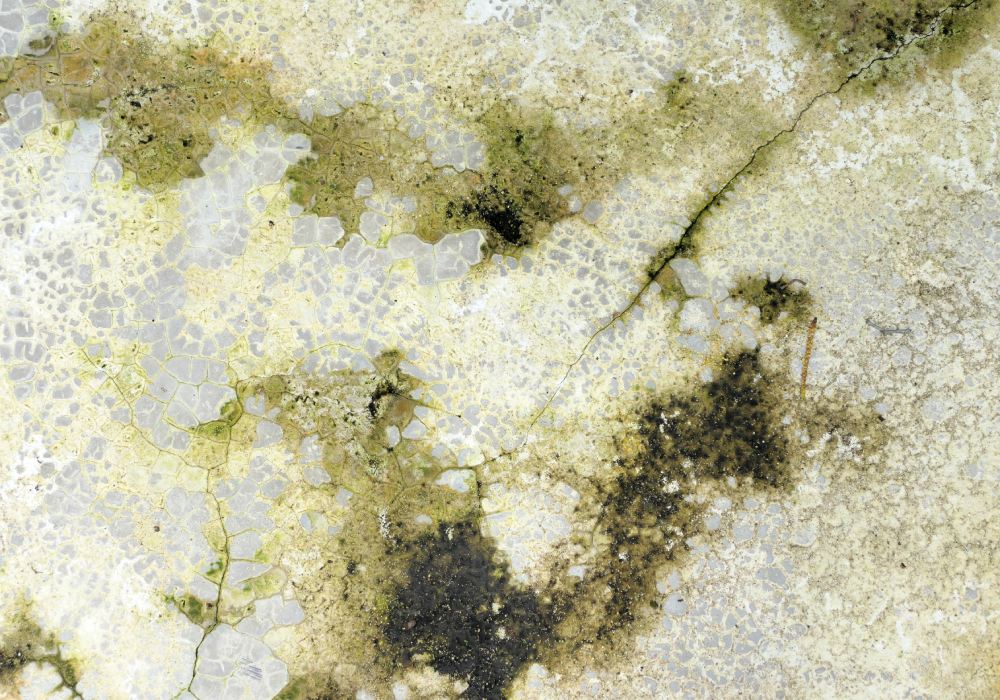
Ever feel sick in your own home and can’t figure out why? You’re not alone. Mould often hides in walls, carpets, or damp corners, releasing invisible spores that can quietly impact your health. Unlike allergies or colds that eventually pass, mould-related symptoms tend to linger and create ongoing problems.
Mould toxicity, also called mould illness, shows up in many ways, from breathing troubles to fatigue, skin issues, or even mood changes. Because these symptoms overlap with other conditions, the root cause is often overlooked.
In this article, we’ll highlight the 10 key warning signs of mould toxicity and what to watch out for.
What Is Mould Toxicity?
Mould toxicity, sometimes called mycotoxin illness or mould-related illness, happens when your body reacts to harmful compounds produced by mould spores—particularly in damp or poorly ventilated environments. According to the WHO, exposure to indoor dampness and mould is linked to increased respiratory symptoms such as asthma and allergies, as well as disturbances in immune function.
Here’s the catch: not all mould is toxic, and not everyone exposed will get sick. But in damp or poorly ventilated environments, mould can release microscopic particles and toxins that overwhelm the body’s natural defenses. Over time, this exposure may trigger inflammation, disrupt the immune system, and lead to a cascade of persistent symptoms that are often hard to trace back to mould.
Think of it like your body being in a constant “red alert mode”, always fighting, but never quite recovering.
Why Recognizing the Warning Signs Matters
Here’s the tricky part: mould toxicity symptoms are sneaky. They don’t announce themselves with a neon sign saying “Hey, it’s mould!”. Instead, they disguise themselves as everyday issues—colds that never go away, brain fog that feels like burnout, or skin problems that resist treatment.
Ignoring these signals can allow the problem to snowball. Early recognition means:
You can connect the dots between your environment and your health.
You can prevent long-term complications, like chronic respiratory issues or weakened immunity.
You can address the root cause—removing the mould—rather than just masking the symptoms with medication.
Bottom line: recognising the early warning signs could save you from years of frustration, misdiagnosis, and unnecessary suffering.
The 10 Warning Signs of Mould Toxicity
Mould-related illness doesn’t look the same for everyone. Symptoms can range from mild irritation to more serious, long-term health problems. The key is noticing when these signs persist, worsen indoors, or improve when you’re away. Here are the ten most common red flags to watch for:
Persistent Coughing, Wheezing, or Difficulty Breathing
One of the clearest red flags of mould toxicity is when your lungs seem to be working overtime. If you’re coughing long after a cold has passed, feeling short of breath in your own home, or noticing wheezing that flares up indoors, mould might be the culprit. This happens because mould spores irritate the airways and inflame the respiratory tract.
For people with asthma, these effects can be especially severe—sometimes triggering attacks. Even without pre-existing conditions, mould exposure can mimic the feeling of seasonal allergies or a lingering chest infection, making it easy to overlook. If the air in your home feels “heavy” and you’re always reaching for an inhaler or cough syrup, don’t dismiss it. A meta-analysis in Environmental Health Perspectives found that people living in damp or mouldy buildings face a significantly higher risk of developing asthma.
Ongoing Sinus Congestion, Sneezing, or Sore Throat
Does your nose feel permanently blocked? Mould spores are notorious for inflaming the sinuses. Chronic sinus congestion, frequent sneezing fits, or that irritating sore throat that won’t heal are all signs your body is struggling with airborne irritants.
Unlike a cold, these symptoms don’t follow a timeline—they hang around for weeks or months, often easing up when you’re away from the mouldy environment and flaring again once you return. Some people also describe post-nasal drip or a scratchy, irritated throat that no lozenge seems to fix. If tissues and decongestants have become part of your daily routine, mould could be quietly fuelling the problem.
Red, Itchy, or Watery Eyes
When mould particles become airborne, your eyes are often the first to protest. Irritation can show up as redness, itchiness, burning, or constant watering—symptoms that closely resemble hay fever. The key difference? With mould, your eyes don’t wait for pollen season to flare; they can bother you year-round.
Prolonged exposure may also cause sensitivity to light or blurred vision in some cases. If you find yourself rubbing your eyes constantly, or if they feel gritty like you’ve been swimming in chlorinated water (without the pool trip), mould could be lurking nearby. It’s not just about comfort either—chronic eye irritation can impact focus, productivity, and overall quality of life.
Skin Problems Such as Rashes, Hives, or Eczema Flare-Ups
Your skin can act like a “sensor” for what’s happening in your environment. When mould toxins are in the air, some people develop itchy rashes, hives, or eczema flare-ups that don’t respond well to typical creams or treatments. These skin reactions often seem random—appearing even without new detergents, soaps, or foods to blame.
Because the skin is your body’s largest detox organ, mould exposure can push it into overdrive, resulting in inflammation, dryness, or irritation. If breakouts appear or worsen when you spend time in a particular building—your home, workplace, or even a school—it could be your body waving a red flag.
Frequent Headaches or Unexplained Brain Fog
If you’ve ever walked into a room and felt your head pound or your concentration vanish, mould may be playing tricks on your nervous system. Mycotoxins released by mould can irritate the brain and nervous tissue, leading to recurring headaches, dizziness, and that “mental cloudiness” often described as brain fog.
This isn’t the normal tiredness after a long day—it’s the frustrating feeling of misplacing words, forgetting simple tasks, or struggling to think clearly. Since these symptoms overlap with stress, burnout, or dehydration, many people dismiss them. But if you consistently feel sharper when you’re away from certain indoor spaces, mould could be the hidden link.
Chronic Fatigue or Extreme Tiredness
We all get tired—but mould-related fatigue is a different beast. It’s the kind of exhaustion that sleep doesn’t fix. Even after a full night’s rest, you may wake up feeling drained, sluggish, and unable to power through daily tasks.
This happens because mould exposure can disrupt your immune system, drain energy reserves, and trigger low-level inflammation throughout the body. Over time, this constant energy demand leaves you feeling wiped out. If you’re relying heavily on caffeine just to function, yet still feel worn down, mould toxicity could be silently sapping your vitality.
Digestive Disturbances (Bloating, Nausea, Stomach Pain)
When people think of mould, gut problems aren’t usually the first thing that comes to mind—but the digestive system is highly sensitive to toxins. Exposure can trigger nausea, bloating, abdominal pain, or changes in bowel habits. Some even describe it as feeling like food “sits heavy” no matter what they eat.
Why? Because mould toxins may disrupt the gut microbiome, the delicate balance of bacteria that keep digestion smooth. When that system is thrown off, nutrient absorption suffers, and discomfort follows. If you’ve ruled out food intolerances but your stomach still feels unsettled, mould may be the invisible trigger.
Muscle Aches, Joint Stiffness, or Unexplained Body Pain
Persistent pain without a clear cause can be one of the more frustrating signs of mould toxicity. People often report stiffness in the morning, sore joints, or muscle aches that feel like post-workout fatigue—except there was no workout.
This happens because mould-related inflammation can spread beyond the lungs or sinuses, affecting connective tissues and joints. Over time, the body responds with pain signals, almost like it’s been injured. If your aches seem to flare when you’re at home but ease when you travel or spend time outdoors, it’s worth considering mould as a factor.
Mood Swings, Anxiety, or Depression-Like Symptoms
Mould doesn’t just affect the body—it can also alter how you feel emotionally. Some people experience heightened anxiety, sudden mood swings, or depressive symptoms that appear without a clear trigger. This is partly due to the way mould toxins can disrupt the nervous system and stress hormones, creating imbalances that ripple through your mental health.
It’s easy to chalk these feelings up to stress, work pressure, or life changes, but if your mood seems unusually unstable—or if emotional lows line up with time spent in a certain building—mould could be quietly influencing your state of mind.
Frequent or recurring infections (low immunity)
If you feel like you’re always catching something—sinus infections, chest colds, or even lingering ear infections—your immune system may be under siege from mould exposure. Mycotoxins can weaken the body’s natural defenses, leaving you more vulnerable to viruses and bacteria that a healthy immune system would normally fend off.
This doesn’t always look dramatic—it might just mean you recover more slowly than usual or get sick more often than those around you. If you’ve become the person who “catches everything going around,” mould toxicity could be eroding your resilience.
How to Tell If Mould May Be the Cause
Because mould-related illness can look like so many other conditions, it helps to focus on patterns—where mould is most likely hiding, and when your symptoms flare.
Common Household Places Mould Hides
Mould isn’t always obvious. It can creep behind wallpaper, grow under carpets, settle inside HVAC systems, or thrive in damp basements and bathrooms. Even small moisture sources—like a leaky pipe, poorly sealed windows, or soggy plant soil—can become breeding grounds.
If you feel worse at home but better when you’re away, that contrast is a strong clue mould may be part of the problem.
Pro Tip: Don’t just mask smells. A musty, earthy odour is often mould’s first warning sign. Air fresheners or candles might hide it temporarily, but the mould will keep growing behind the scenes unless the source is removed.
Clues from Timing and Location of Symptoms
Pay attention to when and where symptoms show up. Do headaches kick in after spending hours in a particular room? Does your child’s cough return every school term? Do you feel more energetic when you’re outdoors or on holiday?
Noticing these patterns helps connect the dots between environment and health, pointing to mould as a potential culprit rather than random chance.
What To Do If You Suspect Mould Toxicity
Discovering possible mould-related illness can feel daunting, but the good news is you’re not powerless. Tackling mould toxicity involves a three-step approach: reduce exposure at home, bring in professional help when needed, and take care of your health.
Reducing Exposure at Home (Ventilation, Cleaning, Inspection)
Start by minimising the mould’s opportunity to grow. Keep your home well-ventilated, run dehumidifiers in damp areas, and address moisture issues quickly—whether it’s a leaky pipe, wet laundry, or steam from daily showers.
For small, visible spots, safe cleaning solutions like vinegar, baking soda, or mould-specific products can help. But remember: DIY cleaning only works for surface-level growth. Consistent prevention—drying, fixing leaks, and routine inspection—is what keeps mould from returning.
Seeking Professional Mould Assessment & Remediation
If the problem persists or you suspect mould is hiding behind walls, under carpets, or in ducts, it’s time to call in specialists. Professionals use tools like moisture meters, air testing, and thermal imaging to pinpoint hidden colonies.
Remediation experts don’t just wipe down surfaces; they eliminate mould at the source, replace contaminated materials if needed, and create conditions that discourage regrowth. Investing in professional remediation often prevents bigger health and repair costs later on.
Pro Tip: Know when DIY isn’t enough. Small patches on bathroom tiles may be safe to clean yourself, but widespread or hidden mould (behind walls, under carpets, inside HVAC systems) needs professional remediation. Acting early can save thousands in repair and protect your health.
When to See a Healthcare Provider
Your environment matters, but so does your well-being. If you’ve been dealing with ongoing breathing issues, extreme fatigue, or recurring infections, consult a healthcare provider. A doctor can rule out other causes, provide treatment for symptoms, and, when necessary, refer you to specialists who understand mould-related illness.
This step is especially vital for children, seniors, and anyone with asthma, allergies, or autoimmune conditions, since mould can hit these groups hardest. Early medical attention helps prevent minor symptoms from turning into chronic problems.
Final Takeaway
Mould toxicity can be tricky to spot because its symptoms mimic so many other conditions. But if you notice patterns like fatigue that never lifts, breathing troubles at home, or recurring infections, it’s worth considering mould as the underlying cause. The good news? Once identified, mould problems can be fixed, and your health can improve.
That’s where Ex10 can help. Our team specialises in mould inspection, testing, and professional remediation to identify hidden growth and eliminate it at the source. We don’t just clean—we solve the problem so you and your family can breathe easier again.
Don’t wait for the symptoms to worsen, call Ex10 today at 📞 01202 618374 and take the first step toward a healthier, mould-free home.