
- Excellent Customer Service
- Established & Accredited
- Fully Insured & Public Liability
- Highly Rated - 5 Star Reviews
- 24/7 Emergency Call Out
What Is the Difference Between Mould Removal and Mould Remediation?
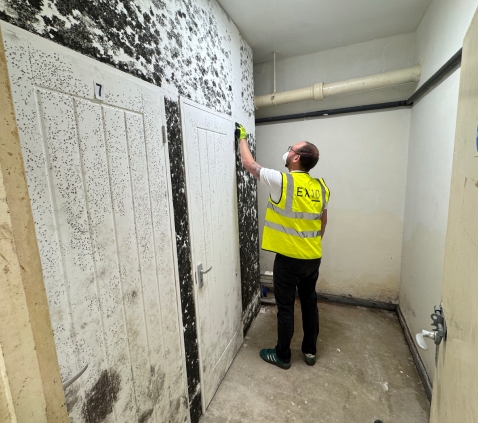
You spot a dark patch spreading on your ceiling, or maybe that musty smell lingers no matter how much you clean. Here’s the big question: should you get mould removal or mould remediation?
The answer is simple: mould removal clears what you can see, while remediation tackles both the visible growth and the underlying cause. This matters because mould isn’t just cosmetic; it can trigger allergies, damage walls and ceilings, and spread invisibly through your HVAC system.
Knowing the difference helps you choose the right solution for lasting results. Think of removal as a quick clean-up, while remediation is a full restoration. If you want mould gone for good, not just temporarily hidden, remediation is the way forward.
Let’s break it down further.
Understanding Mould in Homes and Buildings
Mould is more than just an eyesore; it’s a living organism that thrives wherever there’s excess moisture, poor ventilation, or water damage. Think damp basements, leaky roofs, or even condensation around windows.
Why does mould matter?
Health concerns: Exposure can trigger allergies, respiratory issues, or aggravate asthma.
Structural risks: Left unchecked, mould can slowly damage drywall, timber, insulation, and flooring.
Hidden spread: By the time you spot black or green patches, mould spores may have already infiltrated other parts of your home.
Put simply, mould is persistent. Cleaning only what you can see isn’t always enough — which is where the distinction between removal and remediation becomes critical.
What Is Mould Removal?
When most people discover mould, their first instinct is to grab a spray bottle or scrub brush. That reaction makes sense—mould removal is the quickest way to make the problem look like it’s gone. But does it solve the issue? Let’s dig deeper.
Definition and scope of mould removal
Mould removal is the process of physically cleaning away visible mould growth. It usually targets the patches you can see on walls, ceilings, or other surfaces, giving the impression that the problem is solved.
Typical methods used to clean visible mould
Some of the most common mould removal methods include:
Using surface cleaners such as bleach, vinegar, or mould sprays
Scrubbing stains with cloths, sponges, or brushes
Vacuuming with HEPA filters to capture loose spores
These steps can improve the appearance of an affected area and provide short-term relief.
Why mould removal is often a short-term solution
Because removal doesn’t address leaks or humidity, it often gives only temporary results — mould can regrow within days. Here’s the problem: mould removal only treats what’s on the surface. If the underlying moisture issue—like a leak, damp wall, or poor ventilation—remains, mould spores will quickly grow back. In many cases, the problem returns within days or weeks. That’s why mould removal is often seen as a temporary fix, not a lasting solution.
What Is Mould Remediation?
If mould removal is about cleaning what you can see, mould remediation is about solving what you can’t. It’s a deeper, more strategic process designed to eliminate contamination, fix the conditions that allowed mould to thrive, and restore healthy indoor air. The aim isn’t just to erase the problem temporarily—it’s to keep it from coming back.
Definition and objectives of remediation
Mould remediation is a comprehensive approach that tackles visible growth and the root cause. Its goal is to remove contamination, reduce airborne spores, and prevent recurrence by addressing moisture and ventilation problems.
Steps in the remediation process
A professional remediation plan often includes:
Inspection and testing – Assessing the extent of contamination and locating hidden growth behind walls or under floors.
Containment – Isolating affected areas with barriers and negative air systems to stop spores spreading.
Air filtration – Using HEPA scrubbers to capture microscopic spores and improve air quality.
Removal and cleaning – Disposing of contaminated materials where needed and applying antimicrobial treatments to surfaces.
Moisture control and prevention – Repairing leaks, improving airflow, and applying protective coatings to discourage regrowth.
How remediation addresses underlying issues
Remediation restores balance by fixing the conditions mould needs to thrive — tackling moisture, leaks, and poor airflow head-on. By resolving these conditions, remediation not only eliminates current mould but also prevents new growth, offering lasting protection and peace of mind.
Mould Removal vs. Mould Remediation – Key Differences
At first glance, mould removal and mould remediation may sound like the same thing. But the approach you choose makes a big difference in how effectively the problem is solved. Removal clears what you can see, while remediation addresses the root cause and prevents mould from returning.
Think of mould removal as mowing the lawn and mould remediation as pulling weeds out by the roots. Both make things look better, but only one stops the problem from coming back.
Aspect | Mould Removal | Mould Remediation |
|---|---|---|
Goal | Clears visible mould from surfaces | Restores a healthy environment by removing contamination and preventing regrowth |
Approach | Cosmetic fix focused on surface cleaning | Comprehensive strategy addressing moisture, air quality, and underlying causes |
When to Use | Suitable for small, isolated patches (e.g., bathroom tiles) | Necessary for recurring mould, large infestations, or mould linked to water damage or health issues |
Which option is right for you?
If you’re dealing with a small, surface-level patch, removal may be enough. But if mould keeps returning, affects large areas, or impacts health, remediation is the safer, long-term solution.
When to Seek Professional Help
Not every mould issue needs a specialist—small patches on bathroom tiles, for instance, are often manageable with DIY cleaning. But when the problem is larger, recurring, or affecting your health, it’s time to bring in the experts. Knowing when to make that call can save you from costly repairs and long-term health problems.
Signs you should call a mould specialist
Persistent musty odours you can’t locate
Visible mould spreading across more than a few square feet
Growth that comes back even after repeated cleaning
Allergies or respiratory issues that flare up indoors
Risks of DIY mould cleaning and remediation
Handling large or hidden infestations on your own can make things worse. Disturbing mould without containment can release millions of spores into the air, spreading contamination to unaffected areas. On top of that, everyday cleaners rarely penetrate porous materials like drywall, timber, or insulation—leaving behind the perfect environment for mould to return.
Importance of accredited mould remediators
Accredited specialists follow industry standards, such as the IICRC S520 guidelines, and use advanced tools like HEPA filtration, protective barriers, and moisture detection equipment. This ensures both visible mould and hidden contamination are dealt with thoroughly. Choosing certified professionals gives you confidence that the problem won’t simply be cleaned—it will be resolved.
Preventing Mould After Treatment
So, the mould has been removed or remediated, what next? The job isn’t finished just because the visible growth is gone. Mould thrives wherever moisture lingers, so prevention is the key to keeping your home safe long-term.
Practical steps to reduce mould risks
Everyday habits can make a big difference in mould prevention. A few small changes can stop mould from getting the damp environment it needs.
Ventilate properly: Use extractor fans in kitchens and bathrooms, and open windows when possible.
Control humidity: Keep indoor humidity between 30–50%. A dehumidifier is especially helpful in basements.
Fix leaks quickly: Even a slow drip under the sink or a minor roof leak can encourage mould growth.
Ongoing inspections and maintenance tips
Prevention isn’t a one-time effort—it’s an ongoing routine. Regular checks will help you spot problems before they turn serious.
Inspect basements, attics, and around windows every few months.
Keep gutters clear so water drains properly and doesn’t pool near foundations.
Trust your nose: a musty smell often signals mould you can’t yet see.
Ensuring mould does not return after remediation
The real win comes from long-term protection. By combining maintenance with the fixes done during remediation, you can greatly reduce the risk of mould returning.
Stay consistent with moisture control and inspections.
Repair water problems as soon as they occur.
Work with professionals if mould reappears—quick action prevents major setbacks.
Final Takeaway
Mould removal and mould remediation may sound similar, but they’re not the same. Removal is a quick fix for what you can see, while remediation tackles the root cause to restore a safe, healthy environment.
For small patches, removal may be enough. But if mould keeps coming back, spreads widely, or affects health, remediation is the smarter long-term choice. That’s where Ex10 can help. Our accredited team doesn’t just clean surfaces; we identify and resolve the conditions driving mould growth, giving you lasting protection and peace of mind.
Frequently Asked Questions About Mould Removal and Remediation
Can mould return after remediation?
Yes, mould can return if the source of moisture isn’t fixed. Proper remediation significantly reduces the risk by addressing leaks, humidity, and ventilation issues.
Is mould removal safe to do yourself?
Small patches on non-porous surfaces may be safe for DIY. Larger or recurring infestations require professionals to avoid spreading spores and hidden contamination.
How long does mould remediation take?
It depends on severity. Minor cases may be resolved in 1–2 days, while extensive contamination or structural repairs can take several days to a week.
What equipment and standards do professionals follow?
Professionals use HEPA vacuums, air scrubbers, containment barriers, and antimicrobial treatments. Accredited remediators follow guidelines such as the IICRC S520 Standard for safe, thorough remediation.
Contact Us