
- Excellent Customer Service
- Established & Accredited
- Fully Insured & Public Liability
- Highly Rated - 5 Star Reviews
- 24/7 Emergency Call Out
What Does a Mould Specialist Do?
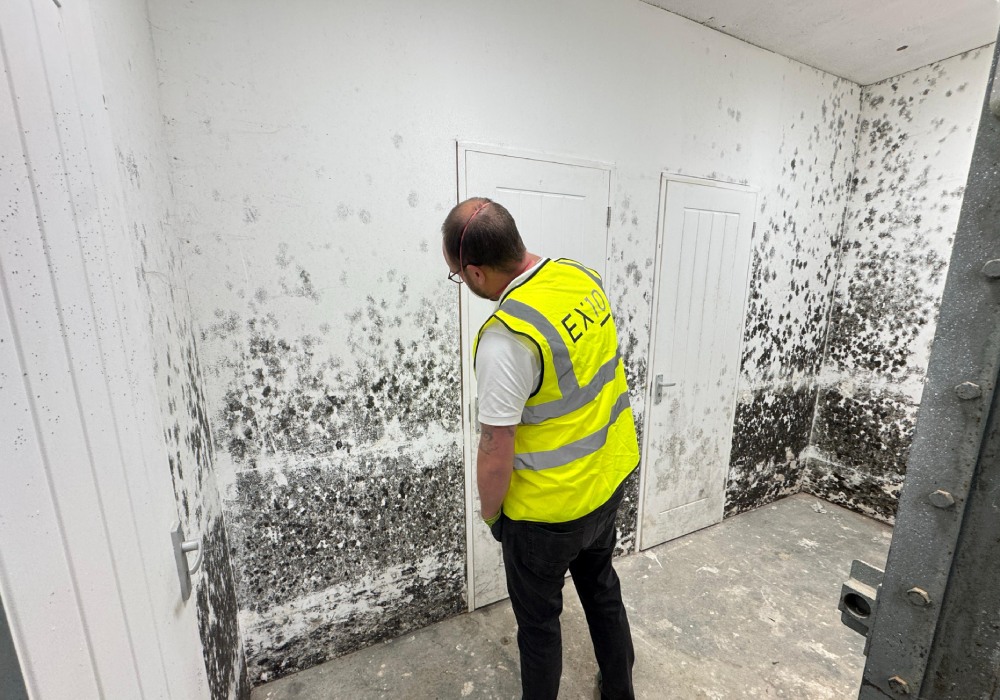
When black spots begin creeping across your ceiling or a musty smell lingers in your home, it’s a sign mould has taken hold. This isn’t just an eyesore—it can point to hidden dampness, poor ventilation, or even structural issues. That’s when a mould specialist steps in.
A mould specialist is both an investigator and a problem-solver. They don’t just remove visible mould; they trace its root cause, restore air quality, and protect your health by ensuring spores aren’t left behind. Their work goes beyond cleaning, offering long-term solutions to keep your home or workplace safe and mould-free.
In the sections ahead, you’ll learn what mould specialists do, how they work, the tools they use, and how they keep mould from coming back.
The Role of a Mould Specialist
A mould specialist isn’t just someone with a sponge and a mask. Their role blends science, building knowledge, and health awareness. They wear multiple hats:
Investigator: They trace mould back to its source—whether it’s a hidden roof leak, poor ventilation, or rising damp.
Health protector: They minimise spore spread and reduce risks for children, the elderly, and anyone with allergies.
Restoration expert: They use advanced cleaning agents, HEPA vacuuming, and antimicrobial treatments to bring your property back to a safe state.
Advisor: They educate property owners on moisture control and indoor air quality improvement.
👉 Pro Tip: Always ask if your specialist provides a written report. A good one will include findings, treatments applied, and prevention advice—it’s your “mould health record” for the property.
Identifying and Assessing Mould Problems
The first step in any remediation journey is knowing what you’re dealing with. Mould specialists are trained to distinguish between surface mildew you might scrub away and deep-seated infestations that require structured remediation.
Here’s what they look for during assessment:
Visible growth: Spots, streaks, or discolouration on walls, ceilings, tiles, and even furniture.
Odour: That earthy, damp smell is often the giveaway that mould is hiding out of sight.
Air quality: Elevated spore counts can irritate lungs and worsen asthma.
Moisture mapping: Using moisture meters, they trace leaks, humidity issues, or rising damp behind plaster and under flooring.
Structural risk: Assessing whether mould has penetrated wood, plasterboard, or insulation—materials that can deteriorate if untreated.
👉 Pro Tip: Don’t ignore condensation on windows or peeling wallpaper. These are early-warning signs of hidden damp. Catching them early saves money on repairs.
The Mould Specialist’s Process
So, what happens once you bring in a professional? Mould specialists follow a structured, step-by-step approach to ensure the mould is removed and doesn’t return.
Step 1: Initial Inspection and Reporting
The journey begins with a walkthrough. Specialists visually check walls, ceilings, basements, and attics, using moisture meters and thermal imaging cameras to uncover hidden damp.
At this stage, you’ll usually get a detailed report outlining:
The extent of the mould problem.
Possible sources of moisture.
Recommended remediation plan.
👉 Pro Tip: Ask for photos in your report. Visual evidence helps you track progress and is useful if you’re dealing with landlords or insurers.
Step 2: Testing and Sampling (Air Quality, Surface Checks)
Not all mould is visible. Specialists may perform air sampling and surface swabs to identify mould types and measure spore counts.
Why it matters:
Some moulds, like Stachybotrys chartarum (black mould), pose higher health risks.
Air quality testing shows whether spores are spreading through ventilation.
Results guide the right cleaning agents and safety measures.
👉 Pro Tip: If you suffer recurring allergies or breathing issues indoors, request air testing—it can reveal hidden infestations.
Step 3: Containment and Safe Removal
Before removal begins, specialists set up containment zones with plastic sheeting and negative air machines to prevent spore spread.
Mould is then removed with HEPA vacuums, antimicrobial sprays, and—if necessary—material replacement (like cutting out damaged plasterboard).
👉 Pro Tip: Never sand or scrape mould yourself—it only makes spores airborne. Specialists have the equipment to do this safely.
Step 4: Cleaning, Decontamination, and Odour Control
Once the mould is gone, surfaces, ducts, and furnishings are decontaminated. Specialists use antimicrobial treatments, HEPA vacuuming, and sometimes ozone or hydroxyl generators to neutralise odours and allergens.
Step 5: Preventive Treatments
To stop mould from returning, specialists may:
Apply anti-mould coatings to walls and ceilings.
Recommend dehumidifiers or improved airflow.
Suggest property repairs such as sealing leaks or improving drainage.
Tools and Techniques Used
Mould remediation isn’t just elbow grease—it’s science backed by specialist equipment.
HEPA Filters and Drying Systems
HEPA (High-Efficiency Particulate Air) filters trap spores, cleaning the air during remediation. Industrial dehumidifiers and drying systems then strip moisture from walls, floors, and indoor air.
👉 Pro Tip: If you live in a humid climate, consider running a portable HEPA air purifier year-round to keep spores under control.
Decontamination and Antimicrobial Treatments
Specialists apply antimicrobial sprays, fogging systems, and surface treatments that neutralise spores and prevent regrowth. Some create protective barriers to discourage future infestations.
Safety Gear and Protective Equipment
Protective suits, respirators, gloves, and goggles safeguard both workers and your household during remediation, ensuring spores aren’t spread further.
Long-Term Solutions and Advice
Once the mould is removed, prevention is key. Specialists usually provide tailored recommendations based on your property’s needs.
Ventilation and moisture control: Adding extractor fans, opening trickle vents, or using dehumidifiers.
Damp-proofing and repairs: Installing membranes, fixing roof leaks, or improving insulation.
Education: Teaching property owners to spot early warning signs and maintain healthy indoor humidity.
👉 Pro Tip: Keep indoor humidity below 60%. A simple hygrometer helps you monitor levels before mould has the chance to form.
When to Call a Mould Specialist
Not sure if you can handle the issue yourself? Here are the red flags that mean it’s time to bring in the pros:
Large mould patches spreading beyond a small surface area.
Recurring growth despite cleaning.
Strong, persistent musty odours.
Visible mould in basements, ceilings, or HVAC systems.
Health symptoms like coughing or headaches that ease when you leave the property.
Why DIY Often Fails
Household cleaners may remove surface mould but rarely kill spores deep inside porous materials. Scrubbing or bleaching without containment can spread spores through the air.
👉 Pro Tip: If mould covers more than 1m², it’s usually beyond safe DIY. Call a specialist before it spreads further.
Choosing the Right Specialist
Not all mould remediation services are the same. Choosing the right one makes the difference between a quick fix and a lasting solution.
Certifications and Accreditations: Look for credentials such as IICRC or equivalent local training.
Experience and Guarantees: Seasoned specialists adapt to different property types and may offer guarantees for peace of mind.
Safety Standards and Insurance: Liability insurance and strict safety compliance protect you and your property.
👉 Pro Tip: Don’t be shy about asking for references or case studies. A good mould specialist will have plenty to share.
Final Takeaway
Mould isn’t just unpleasant—it’s a health concern and a risk to your property. While DIY cleaning might mask the issue, a mould specialist tackles the root cause, restores air quality, and ensures the problem doesn’t return.
At Ex10, we provide thorough inspections, safe removal, and prevention solutions to protect both your home and your health. If you’ve noticed stains, musty odours, or recurring outbreaks, don’t wait for the damage to spread. Call us today at 01202 618374 and let our team restore a safe, mould-free environment.
Frequently Asked Questions
Do I need to leave my property during treatment?
Usually not for small jobs. For larger-scale remediation or when heavy equipment is involved, it may be safer to step out temporarily.
How long does mould remediation take?
It ranges from a few hours to several days, depending on the infestation size, material damage, and drying time. Specialists provide a timeline up front.
Can mould return after professional treatment?
It can—if underlying dampness isn’t resolved. That’s why removal is combined with prevention, such as dehumidifiers or damp-proofing.
Is the process safe for children and pets?
Yes, provided safety measures are followed. Containment barriers, non-toxic treatments, and HEPA filtration keep environments safe during and after work.